
Living in Indiana: Is the Hoosier State Your Next Home?
Indiana
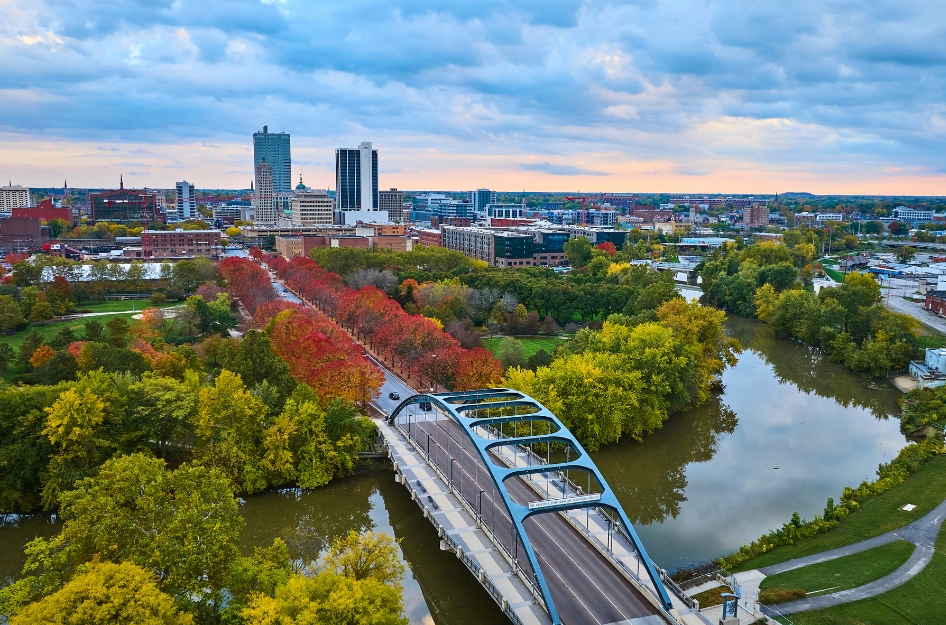
TL;DR: What Are the Pros and Cons of Living in Indiana? Pros of Living in Indiana
Cons of Living in Indiana
|
Thinking about living in Indiana? The Hoosier State offers more than cornfields and basketball. Expect below-average living costs, a strong job market anchored by employers like Eli Lilly, and recreation ranging from Lake Michigan beaches to the Indy 500. Add easy access to Chicago, Louisville, and Cincinnati, and there are plenty of reasons to call Indiana home.
| Planning a move to Indiana? Start with a free moving quote from PODS. |
Indiana at a Glance
- Population: Indiana has a population of nearly 7 million.
- Median age: The state’s median age is 38.3 years.
- State size: Indiana covers roughly 35,800 square miles of land.
- Location: This Midwest state borders Illinois, Michigan, Ohio, and Kentucky, with Lake Michigan along its northwestern edge. Indianapolis is its capital and largest city.
- Fun fact: Indiana is practically the birthplace of professional baseball in the U.S. — the country’s first professional game was played in Fort Wayne in 1871.
10 Things To Know Before Calling Indiana Home
From cost of living to the pros and cons, here are 10 things to know about living in Indiana before you make the move.
1. The Cost of Living in Indiana Is Below the National Average
So, what is the cost of living in Indiana? BestPlaces puts it 16.3 percent below the national average. Still, your household income matters. Here’s a quick breakdown of the annual income you’ll need before taxes to cover basic living expenses when living in Indiana:
- Single adult living alone: $45,300
- Two working adults with no children: $62,690 combined
- Two working adults with two children: $120,830 combined
2. The Pros and Cons of Living in Indiana Deserve a Closer Look
As is true with every state, there are both pros and cons of living in Indiana. Of course, whether something is really a pro or con depends on your own personal preferences.
Pros of Living in Indiana
- Affordability: Statewide living costs fall below the national average.
- Housing choices: Choose from city apartments, suburban homes, and small town properties.
- Recreation: Enjoy beaches, state parks, and fast-paced car races.
- Regional access: Explore neighboring Midwest cities on weekend trips.
Cons of Living in Indiana
- Winter weather: Expect cold, ice, and regional snowfall differences.
- Storms: Severe thunderstorms can disrupt plans.
- Car dependence: Transit won’t reach every destination.
- Housing costs: Some communities are considerably more expensive than the statewide average.
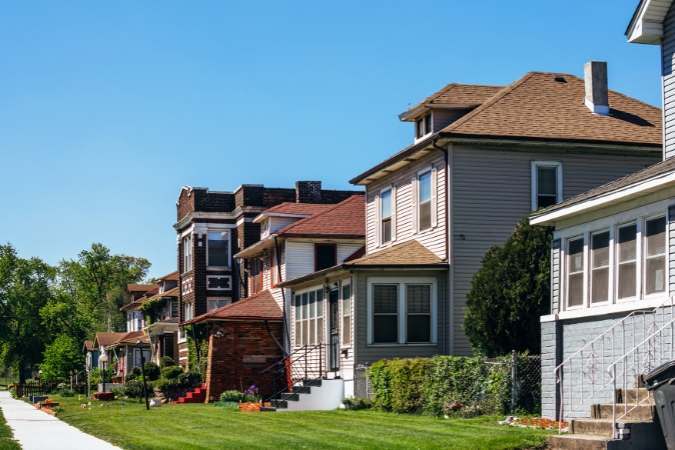
From established neighborhoods in Gary to growing communities near Indianapolis, living in Indiana offers a range of housing options to fit different budgets and lifestyles.
3. Indiana’s Housing and Rental Markets Provide Plenty of Variety
Indiana’s average home value is $257,200, according to Zillow, but the statewide number hides big differences on the local level. Indianapolis home values average $227,400, while Carmel home values sit at $575,500. Housing prices can vary among cities near Indianapolis, so compare communities alongside your budget and commute. Buyers should also factor in property taxes, maintenance, and any HOA fees before celebrating a lower asking price.
Renters face regional differences as well. The average rent for a one-bedroom apartment in Indianapolis and Fort Wayne is $1,125 and $1,050, respectively, according to RentCafe. It’s important to compare actual listings, utility costs, parking fees, and lease terms to find the best fit for you, though.
4. Indiana’s Neighborhoods Are Great for Any Stage of Life
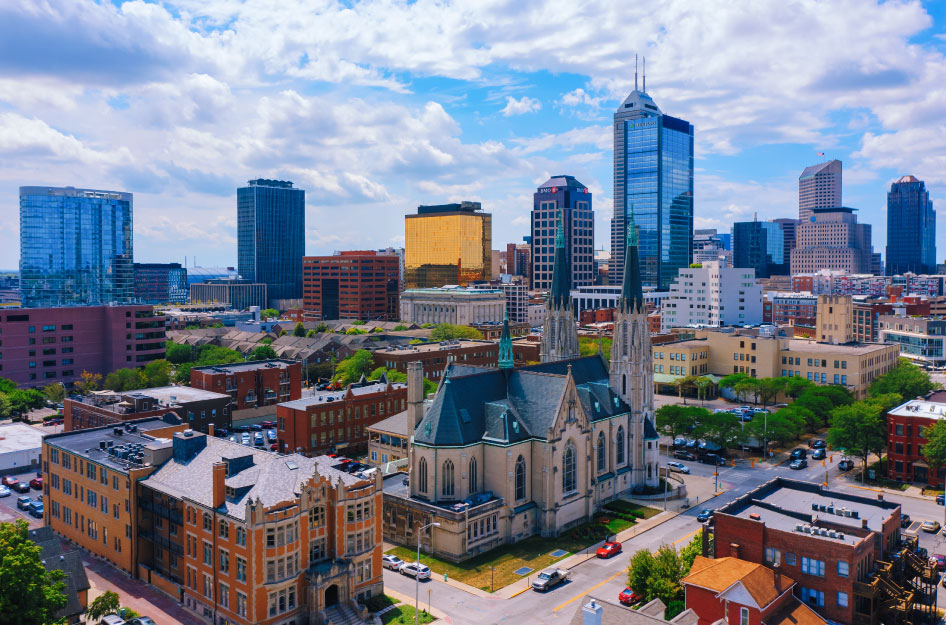
From family recreation in Fort Wayne’s Pine Valley to restaurants and entertainment in some of the best Indianapolis neighborhoods, Indiana has something for everyone. Whether you’re raising kids, building a career, or planning retirement, consider which amenities you want close to home. These three neighborhoods offer different reasons to settle in.
- Families: Pine Valley in Fort Wayne offers kid-friendly amenities close to home. Its community association lists a large playground, a tennis court, five designated parks, and three lakes. These shared spaces make it worth considering for families who want outdoor activities within their residential community.
- Singles and young professionals: Downtown Indianapolis leads Niche’s city neighborhood ranking for young professionals. Its urban setting includes restaurants, bars, and rental housing, while the Canal Walk provides a waterside promenade for an afternoon stroll. The Indianapolis Cultural Trail connects destinations including Mass Ave and White River State Park.
- Retirees: Delaware Trails in Indianapolis has many retiree residents, according to Niche. Here, retirees can enjoy wooded residential streets, nearby Holliday Park trails, JCC Indianapolis fitness facilities, and access to Ascension St. Vincent Hospital. This community presents a useful combination of recreation, community activities, and healthcare.
Prefer a slower pace? The best small towns in Indiana offer a quiet alternative to life in the big city.
5. Crime and Safety in Indiana Vary by Community
According to the U.S. News & World Report, Indiana ranks 20th for public safety out of all 50 states. Of course, crime rates vary from one city to the next. Columbus is considered the safest city in Indiana with a crime rate 95% lower than the national average, while Evansville is ranked the most dangerous city with a crime rate 131% higher.
These figures are based on reported crime, not a guarantee about an individual address. When considering a place to live, always compare violent and property crime separately, check the reporting year, and look at neighborhood-level information. When touring homes, also consider street lighting, parking arrangements, and the routes you’ll use to reach work, school, or transit.
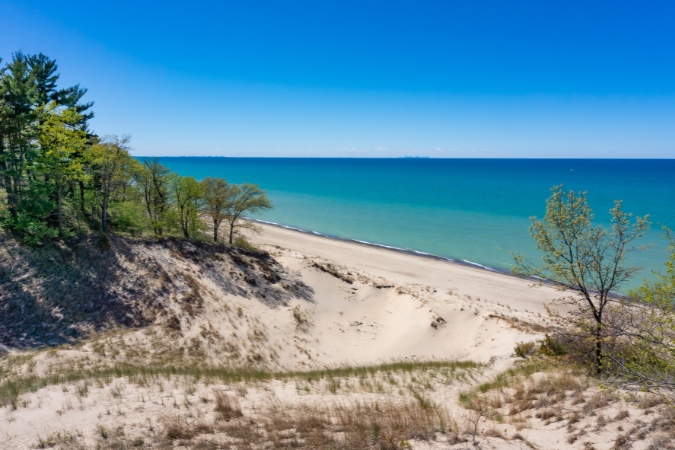
From sandy trails to lakeside views, Indiana Dunes National Park offers plenty of things to do in Indiana for nature lovers and outdoor adventurers.
6. Things To Do in Indiana Range From Beaches to Racing
Your weekend plans don’t always have to revolve around the couch, although sometimes that’s just the relaxation and reset you need! When you’re ready to get out and explore, these Indiana attractions are worth a spot on your list:
- Indiana Dunes National Park: Explore Lake Michigan beaches, dune trails, and habitats that extend beyond the shoreline.
- Indianapolis Motor Speedway: Experience the venue behind the Indy 500 — be sure to check the season’s schedule before visiting.
- The Children’s Museum of Indianapolis: Make a family day of dinosaur exhibits and hands-on learning.
- Brown County State Park: Hike wooded hills, take scenic drives, or plan an autumn foliage outing.
7. Indiana’s Job Market Rewards Choosing Your Location Carefully
Indiana is home to major life sciences headquarters, including Eli Lilly & Company and the North American Headquarters of Roche Diagnostics. Beyond the capital, Purdue University in West Lafayette offers university employment, while Cummins has corporate and manufacturing operations in Columbus.
Indiana’s unemployment rate in August of 2026 was only 3.3 percent, compared with 4.1 percent nationally. However, a lower statewide rate doesn’t necessarily mean the same job prospects in every community or industry. Be sure to check the job market in the city you’re considering before you make your move.
8. Indiana’s Location Opens up Regional Travel
Where you settle changes which neighboring cities become convenient getaways. Living in northwest Indiana puts Chicago on your radar, while southeastern communities are closer to Cincinnati. Southern Indiana offers access to Louisville, and Indianapolis provides a central base for exploring all different parts of the state.
The South Shore Line commuter rail connects communities in the northwest with Chicago, offering a nice alternative to driving. Check station access and schedules rather than assuming the train will fit every outing, though. And if frequent travel matters, compare airport routes for the full trip from your potential home.
9. Getting Around Indiana Is Usually Easier With a Car
Indianapolis has IndyGo, a bus service with rapid-transit routes. Whether you can comfortably skip a car depends on your address, destination, and schedule, though. Smaller communities may require driving for work and other errands.
When it comes to getting around on foot, even the most walkable cities in Indiana receive a low score. However, specific neighborhoods — like Fountain Square in Indianapolis — are very walkable. If walkability matters to you, map the trips you’ll make regularly, from grocery runs to your daily commute. (After all, a nearby bus stop is only helpful if its route reaches your workplace when you need it.)
10. Indiana Weather Offers the Most of the Midwest
Expect beautiful springs, humid summers, colorful autumns, and cold winters with Indiana’s climate. Spring and summer can also bring severe thunderstorms with damaging winds, hail, heavy rain, and tornadoes, making storm preparedness a regular part of life. Winter conditions vary, too: South Bend’s climate is influenced by Lake Michigan, with lake-effect snow contributing to snowy spells.
Budget for heating and cooling and be sure to ask about drainage and past storm damage before buying a home. Also check for a suitable place to shelter during severe weather. Visit during spring or fall if you can (January tells a different story than October).
Living in Indiana — FAQs
Q: What part of Indiana is the best place to live?
A: Carmel was ranked the best place to live in Indiana in 2026, according to Niche. It received high marks for public schools, housing, family-friendliness, safety, nightlife, and diversity.
Q: Is $50,000 a year a good salary in Indiana?
A: For a single adult without children, an annual salary of $50,000 is enough to cover typical living expenses in Indiana with about $4,700 left over. To live comfortably, you’d want to double that to $100,000.
Q: Is moving to Indiana a good idea?
A: Relocating to Indiana can make sense if the housing options, employment opportunities, and community fit your needs. Compare your expected pay with actual expenses, and try to fit in a visit or two before committing.
Q: What is the safest part of Indiana to live in?
A: When it comes to crime rates, the safest cities in Indiana are Columbus, St. John, Porter, Lowell, and Yorktown. Keep in mind that crime tends to be concentrated in certain parts of a city. Always check local (and recent) police information when comparing specific neighborhoods.
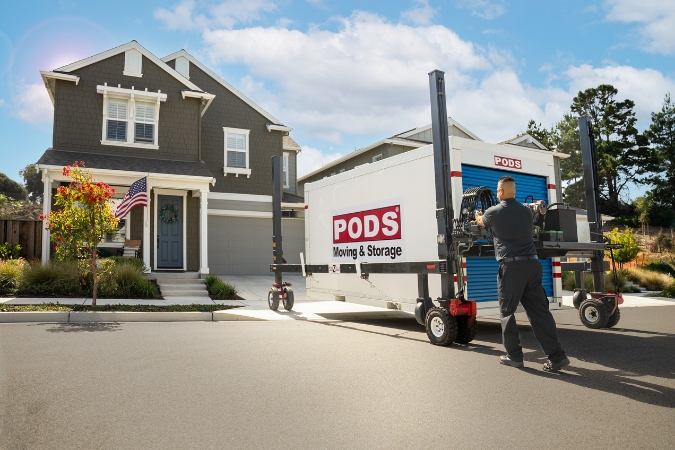
Ready to start living in Indiana? Make your move flexible with a PODS portable moving container delivered right to your driveway.
Make Your Move to Indiana Flexible With PODS
Make your move to Indiana a flexible one with PODS portable moving containers. Have a container delivered to your driveway where you can load it on your own schedule. If you need help with the heavy lifting, PODS can connect you with local packing and loading services. When you’re ready, your container will be picked up and delivered to your new home in Indiana — or you can keep it at a secure PODS Storage Center for as long as you need. With one month of storage built into the cost of every move, you can take your time without feeling rushed.
Visit PODS online for a free local moving quote or call 877-350-7637 for long-distance moving.
Editor’s note: For ease of reading, monthly rental prices were rounded to the nearest $25 and home values were rounded to the nearest $100.
*This article was written on behalf of PODS Enterprises, LLC (“PODS”). PODS does not warrant the completeness or accuracy of any information contained in this article and disclaims any liability for reliance upon the content herein.

Your quote in 60 seconds
Get pricing tailored to your needs!
Related Articles
The Best Neighborhoods in Indianapolis: 10 of the Hoosier State’s Finest
IndianapolisIndiana
Read more
Looking at The Hoosier City Area? Check Out 10 of the Best Cities Near Indianapolis
IndianapolisIndiana
Read more